There are dishes that can be eaten any time of year, and there are dishes that belong to a moment. Chiles en nogada, the stuffed poblano draped in walnut sauce and scattered with pomegranate, is emphatically the second kind. As Mexico celebrates Independence on the night of September 15 and the day that follows, the dish is at the height of its season, and its brevity is a large part of its allure.
A plate that wears the flag
The composition is famously symbolic. A green poblano chile, a white walnut sauce and red pomegranate seeds echo the colors of the Mexican flag, a point made by the food writer Karen Hursh Graber in MexConnect and by the chef and television host Pati Jinich, who writes that chiles en nogada, “proudly boasting the three colors of the flag (green, white and red) are made mainly in the month of September to celebrate the month of Independence.”
Beneath the garnish is a picadillo of minced meat cooked with fruit and spices, and the nogada itself, a walnut-based cream that recipes commonly enrich with milk, cheese and sherry, as Wikipedia’s entry summarizes, with parsley adding a final note of green.
An origin story rooted in Puebla
The dish is inseparable from Puebla. According to MexConnect, it was created to honor Agustín de Iturbide, who became Mexico’s first emperor after independence from Spain in 1821. Accounts differ on its authors: two religious communities, the Clarisas and the Augustinian nuns of the convent of Santa Mónica, are credited in competing versions, per Wikipedia, which links the dish to the period after the signing of the Treaty of Córdoba.
MexConnect also notes a calendar detail often lost outside Mexico: in the 19th and early 20th centuries, chiles en nogada were traditionally served for the feast of San Agustín on August 28, a custom it says continues in Puebla.
Why it cannot be rushed
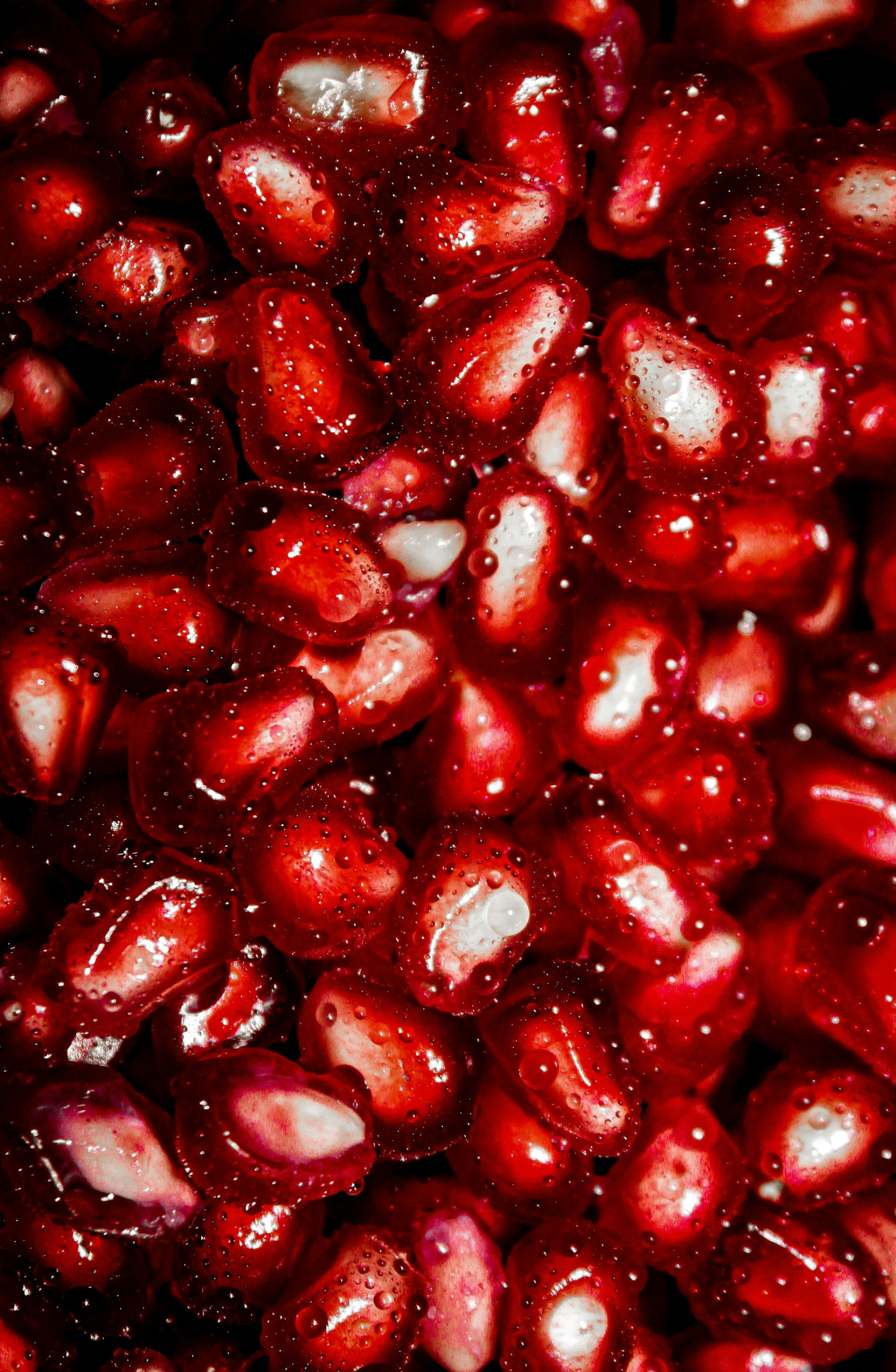
The season is dictated by the harvest. Pomegranates begin appearing in Central Mexico’s markets in August and are most plentiful in September, Graber writes, and the dish traditionally draws on regional produce: poblano chiles from San Martín Texmelucan, walnuts from Calpan and pomegranates from Tehuacán.
That timing creates a particular challenge north of the border. Jinich observes that while pomegranate season in Mexico runs from early August through October, the prime season in the United States comes later, beginning at the end of September or in October. Cooks in New York making the dish in mid-September may find the fruit is only just arriving.
The labor behind the luxury
Part of what makes chiles en nogada feel celebratory is the work involved. Poblanos, which Jinich describes as having “a rich, exuberant and fruity” flavor, are rarely used raw and must be roasted and peeled before stuffing. Add the picadillo, the nogada and the painstaking seeding of pomegranates, and the dish becomes a project rather than a weeknight meal.
In a food culture that increasingly makes everything available all the time, chiles en nogada remains an argument for waiting. Its green, white and red arrive with the harvest and the holiday, and then, just as quickly, they are gone until next year.
See all sources
- Pomegranates: September’s Gift To Mexican Cuisine, MexConnect (Karen Hursh Graber), 2020-07-16
- Pomegranate or Granada, Pati Jinich, undated
- Poblano Chile, Pati Jinich, 2010-05-27
- Chiles en nogada, Wikipedia, undated
Lead image: illustrative photo by Unma Desai on Unsplash.