Wearable technology has long struggled with a basic problem: people do not want to wear something that looks like technology. Meta’s answer is to sell its AI glasses the way fashion houses sell eyewear, in person and in rooms designed to feel personal. Meta Lab, the company’s retail concept, is nearly doubling its footprint, Modern Retail reported on September 14.
Where the stores are going
Meta Lab previously operated eight standalone locations, including flagships in Los Angeles, New York City and Honolulu. Six new stores are opening this fall: Houston, which opened September 10, followed by Atlanta, San Diego, Chicago, Scottsdale, Arizona, and Moynihan Station in New York City.
The Moynihan location is notable. The Manhattan rail hall places the brand in front of a daily stream of commuters and travelers, an audience that overlaps with the urban, style-conscious consumer smart glasses need to win.
A fashion product first
Matt Jacobson, vice president and creative director at Meta, was explicit about the positioning. “We’re selling a lifestyle-slash-fashion product … for the most important real estate you have: your face,” he told Modern Retail.
That framing explains the retail push. “We can’t rely strictly on someone buying these online,” Jacobson said, pointing to how personal choosing glasses is. The stores themselves are designed accordingly: “The focus is definitely on making our spaces feel residential, not commercial.”
The product range spans price points that echo the eyewear market. Meta Glasses start at $299, Ray-Ban Display glasses at $799, and a collaboration with Kylie Jenner is priced at $399, according to Modern Retail. The stores also carry sport-oriented Oakley models and Meta Quest headsets.
The numbers behind the bet
The category is growing quickly, according to data cited by Modern Retail:
- Meta sold at least 7 million glasses last year, according to Business Insider.
- Smart glasses revenue grew 233 percent over the 12 months ending in May, per Circana.
- Meta and EssilorLuxottica, the owner of Ray-Ban, together hold more than 80 percent market share, according to February research from Counterpoint Research.
For a company with enormous digital reach, physical retail addresses a specific gap. “We touch a lot of people every month and every day, but not a lot in person,” Jacobson said.
Why luxury should pay attention
With Ray-Ban owner EssilorLuxottica as Meta’s partner, the smart glasses conversation is increasingly a fashion-industry conversation. Meta’s retail model borrows directly from luxury playbooks: flagship cities, residential interiors, try-on as ritual and collaborations with cultural figures.
The category still faces privacy questions from critics and regulators, and Jacobson framed them as part of a learning curve. “This is a new product and a new category that people are just learning how to use,” he said. How quickly consumers get comfortable will determine whether these stores are an early-adopter showcase or the beginning of a new eyewear aisle on fashion’s main streets.
See all sources
- Meta Lab, known for AI glasses, is nearly doubling its retail store footprint, Modern Retail (Julia Waldow), 2026-09-14
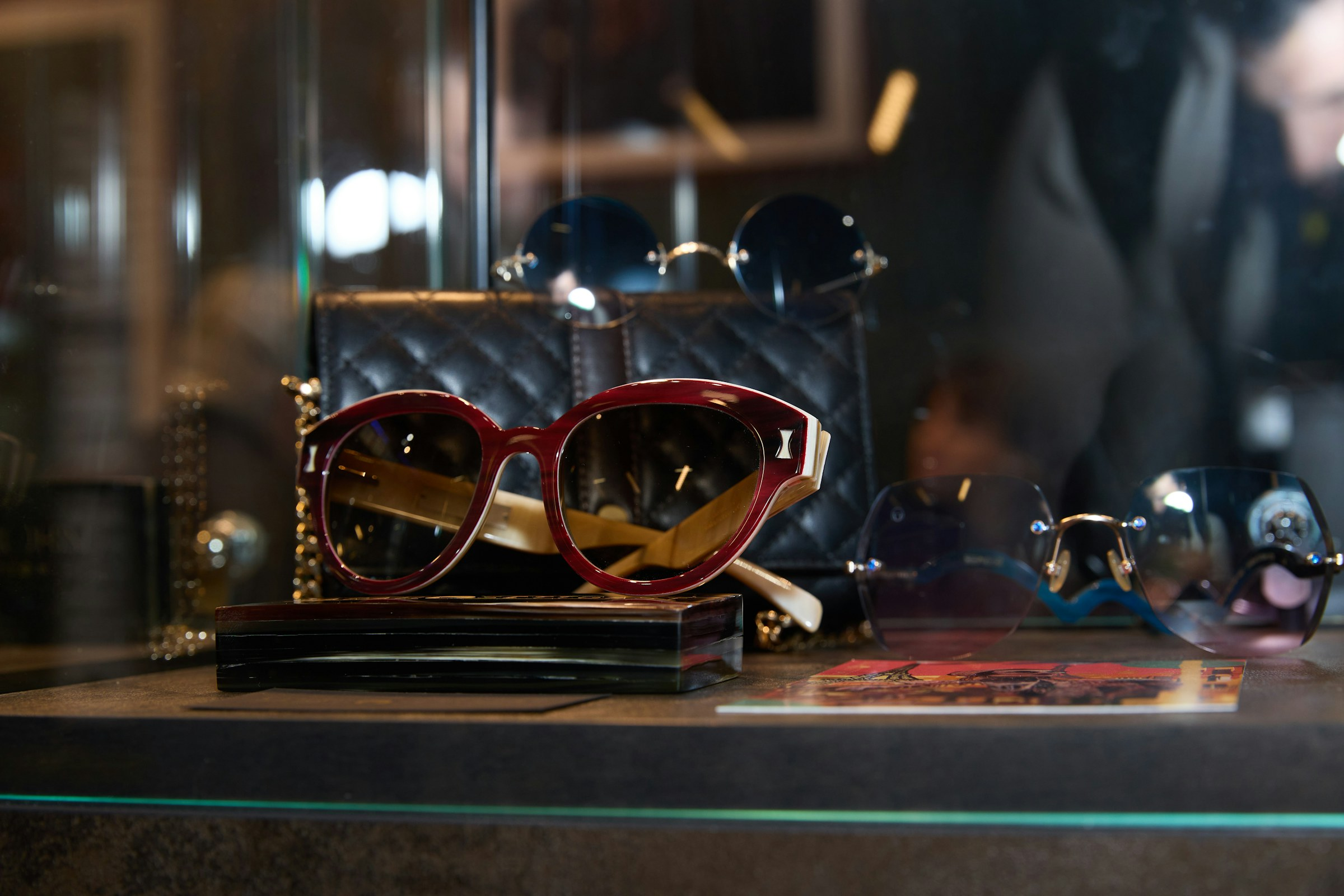
Lead image: illustrative photo by adrien lopes on Unsplash.