Many young fashion labels treat bridal as a seasonal flourish. For Tanner Fletcher, it has become the business. Two years after the New York brand introduced a bridal collection as a one-off in 2024, wedding attire now accounts for half of its business, Glossy reported on September 15. The founders, Tanner Richie and Fletcher Kasell, hosted guests at their downtown Manhattan showroom during New York Fashion Week this week, showing tailoring and swimwear alongside the vintage decor that has become part of the brand’s world.
Spotting the gap
The founders’ thesis is simple. “With weddings, everything has looked the same for decades,” Kasell told Glossy.
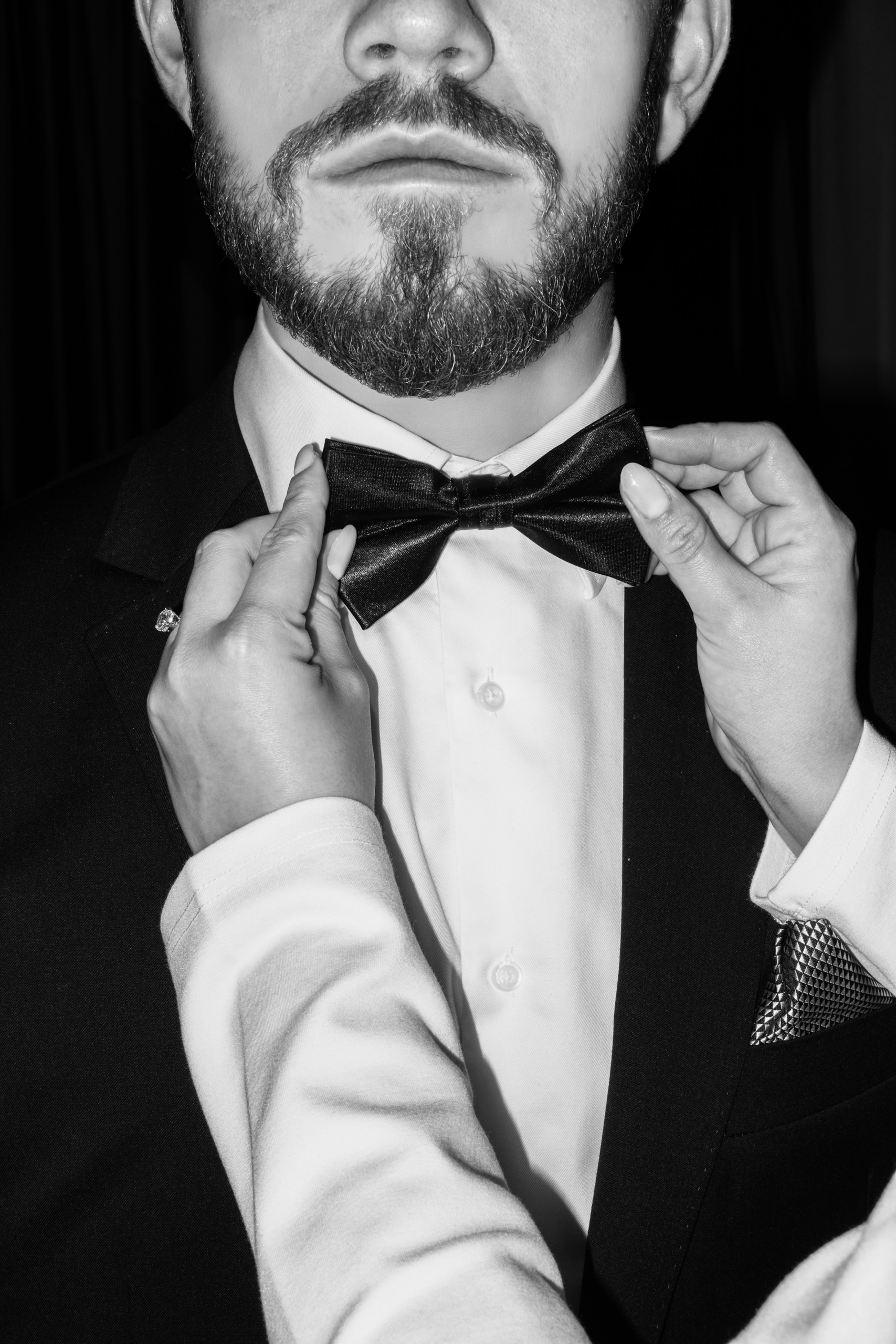
Tanner Fletcher’s response is gender-neutral wedding dressing with a sense of play, including oversized bows and colorful embellishment. Bridal pieces typically sell for several thousand dollars each, according to Glossy, a price point that makes each client relationship meaningful for a small company. The label also sources vintage fashion and decor that it sells alongside its own designs, extending the brand from clothing into a broader aesthetic.
The brand had visibility before bridal took off. It was a finalist in the CFDA Vogue Fashion Fund program in 2023 and, Glossy notes, has benefited from celebrity fans including Ariana Grande and Bad Bunny.
A deliberately direct model
Where many emerging designers chase wholesale accounts for validation, Tanner Fletcher has kept its retail partners in proportion. “Wholesale has remained around 20% of our business, and we love our wholesale partners like Shopbop, Nordstrom, Revolve, some smaller boutiques,” Richie told Glossy. Still, the priority is clear. As Richie put it, “we’re really putting our eggs in the DTC basket.”
For bridal in particular, the logic is strong. Wedding clothing is among the most personal purchases a client makes, and the conversation tends to happen one to one, which favors a showroom and direct relationships over a department store rack.
The funding question
The company has grown without outside investment, but Glossy reports that both founders are open to the right investors. Kasell was candid about the trade-off every independent label eventually faces. “It’s a hard conversation because scalability is dependent on funding,” Kasell said. “We need the right partner.”
Lessons for founders
- Test before committing. Bridal began as a one-off capsule, not a new division. The demand signal came first, the investment second.
- Own the niche. A gender-neutral, playful point of view gave the brand a distinct place in a category its founders saw as unchanged for decades.
- Protect margin and control. Keeping wholesale near a fifth of the business lets the brand shape its own client experience.
- Raise on your terms. Bootstrapping to this point gives the founders leverage in choosing a partner.
For a New York label of this size, turning a single capsule into half of the business in two years is the kind of product-market signal investors look for. The founders appear intent on choosing that partner as carefully as their clients choose what to wear down the aisle.
See all sources
- 2 years after launching bridal, wedding attire now makes up half of Tanner Fletcher’s business, Glossy (Danny Parisi), 2026-09-15
Lead image: illustrative photo by Ben Koorengevel on Unsplash.