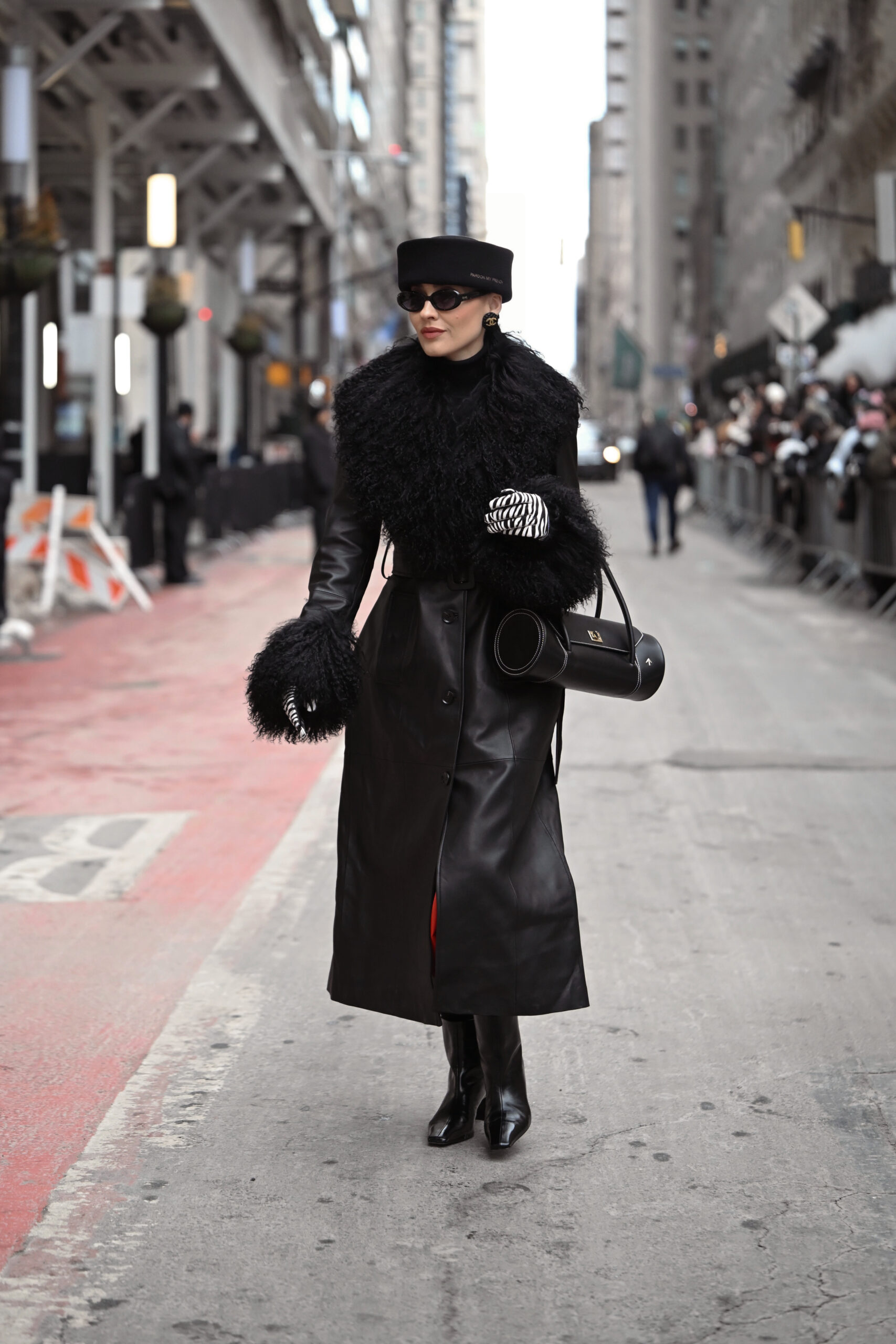
From our changing relationship with color to the return of forgotten wardrobe classics, winter 2026-2027 offers plenty of opportunities to experiment with personal style.
One of the things I find most fascinating about fashion is how our perception of clothes changes over time. Something we wouldn’t have considered wearing two years ago suddenly becomes exactly what we want in our wardrobe. And something we once loved starts to feel outdated, even though the garment itself hasn’t changed.
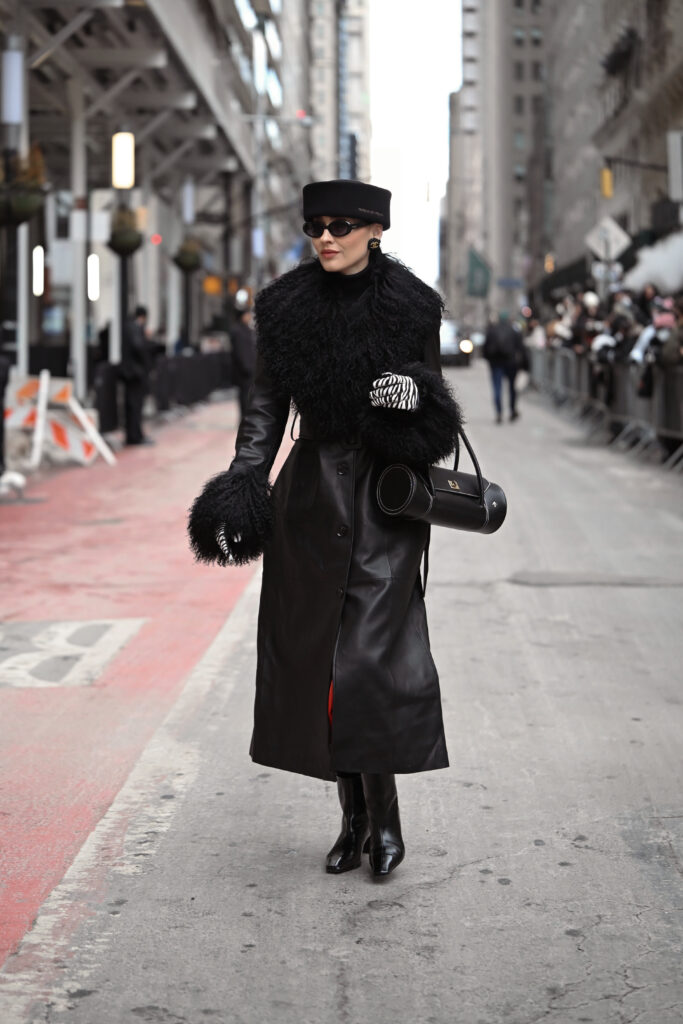
This winter, I’m particularly interested in five familiar trends that deserve a second look. Some are predictable, others slightly forgotten, but each offers an opportunity to experiment with what we already have.
1. Fur for Winter? Groundbreaking.
But try surviving a winter somewhere in Siberia without it.
Fur is probably the most predictable winter trend, but this season, the conversation goes beyond the traditional fur coat. What’s interesting is how designers are experimenting with texture, volume, and the placement of furry details.
For Fall/Winter 2026, Simone Rocha accessorized knitwear with fur stoles and introduced contrasting furry collars to classic tailoring. At Loewe, shearling coats combined smooth and fluffy textures, giving traditional winter outerwear a more playful character.
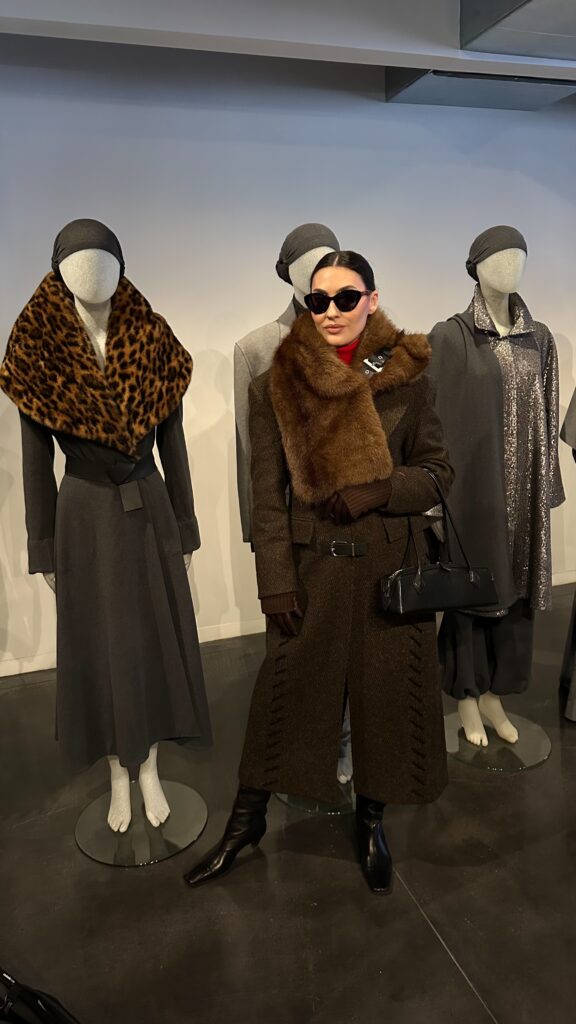
What I particularly love about this trend is that you don’t have to invest in another winter coat to embrace it. Detachable collars, cuffs, and scarves can give existing pieces an entirely different personality.
As a stylist, I often find that texture is what makes an otherwise unremarkable outfit interesting. Imagine a simple black wool coat paired with a fluffy burgundy scarf. Suddenly, the same coat has an entirely different character.
I would also encourage experimenting with colored faux fur. If you tend to wear darker colors during winter, a furry accessory in purple, olive green, or burgundy can be a great way to introduce color without changing your entire wardrobe.
And remember: the more volume you add through texture, the more mindful you should be of your outfit’s overall proportions. A dramatic furry collar can be more effective than an entire oversized fur coat.
It’s also a great opportunity to explore vintage accessories or revisit pieces you haven’t worn in years.
2. Zebra Is Having Its Moment
Have we finally become a little tired of leopard print?
I wouldn’t declare leopard out of fashion; it’s practically a wardrobe neutral at this point, but zebra offers an interesting alternative.
At Isabel Marant’s Fall/Winter 2026 show, zebra-print ankle boots provided a striking contrast to an outfit built around dark blue leather. It’s a good example of how even a relatively small amount of animal print can redirect your attention.
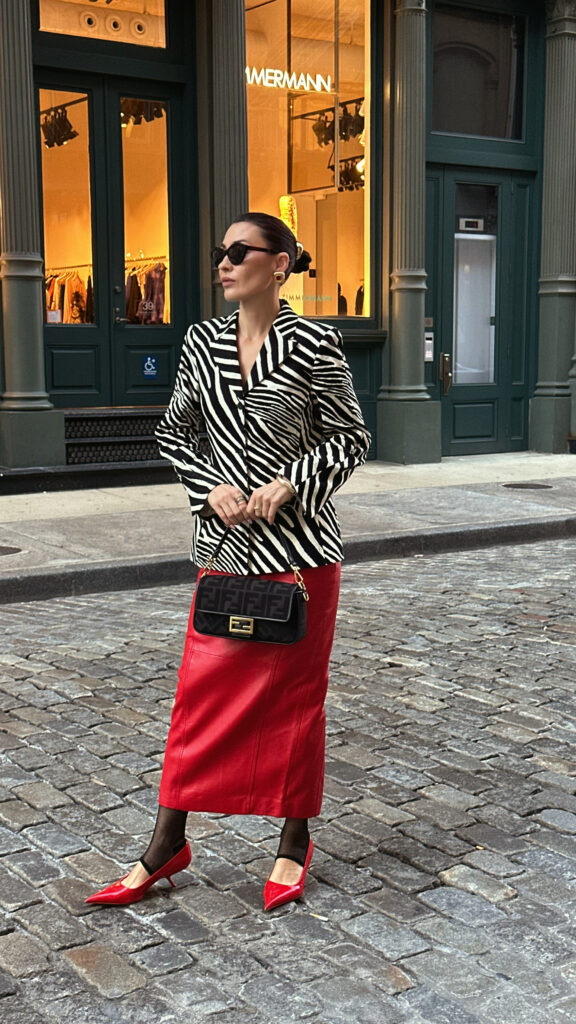
What makes zebra particularly versatile is its graphic quality. I approach a traditional black-and-white zebra print almost as I would a striped shirt. It may look dramatic on its own, but it’s surprisingly easy to incorporate into different color combinations.
Unlike leopard, which traditionally introduces warmer tones into an outfit, black-and-white zebra gives you a relatively neutral starting point for experimenting with color.
One styling experiment I’d recommend is wearing zebra with an unexpected pastel. A pale blue knit paired with zebra-print shoes, for example, creates an interesting contrast between something delicate and something visually bold.
I would also pay attention to the scale of the pattern. Wider, more exaggerated stripes can feel almost abstract, while smaller patterns can be a more subtle addition to an outfit. The same animal print can create a completely different impression depending on its scale and the garment’s silhouette.
If you already have plenty of animal print in your wardrobe, there’s no reason to replace everything. But if you’re looking for something different, zebra is certainly worth considering.
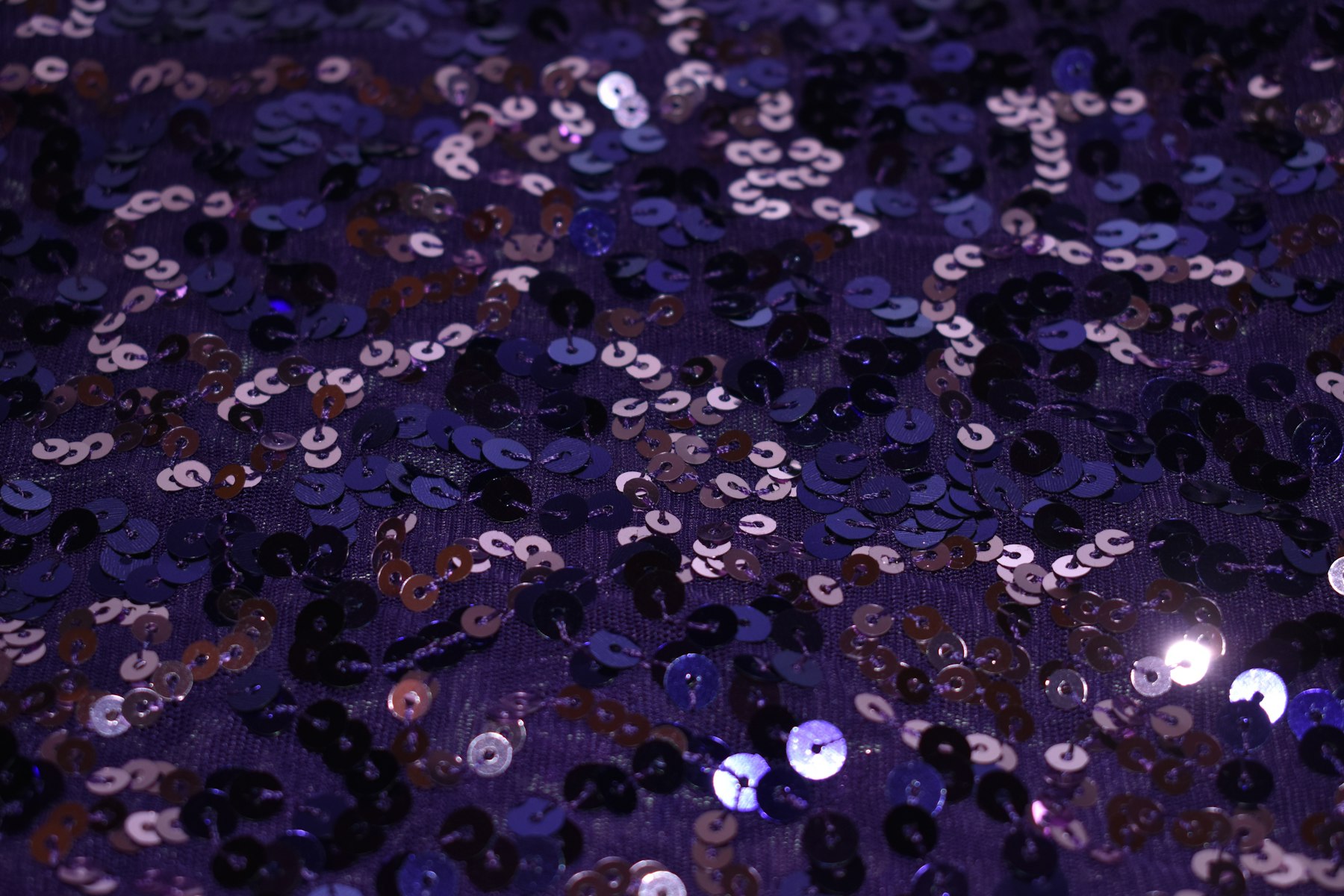
3. The Psychology of Purple
I’ve been talking quite a bit about purple lately, and what fascinates me most is how our perception of this color has changed.
Not so long ago, purple was often perceived as difficult to style, somewhat dated or even old-fashioned. Yet today, after appearing across the Fall/Winter 2026 collections from designers including Ferragamo, Celine, and Loewe, it suddenly feels modern and desirable. The color itself hasn’t changed. Our perception of it has.
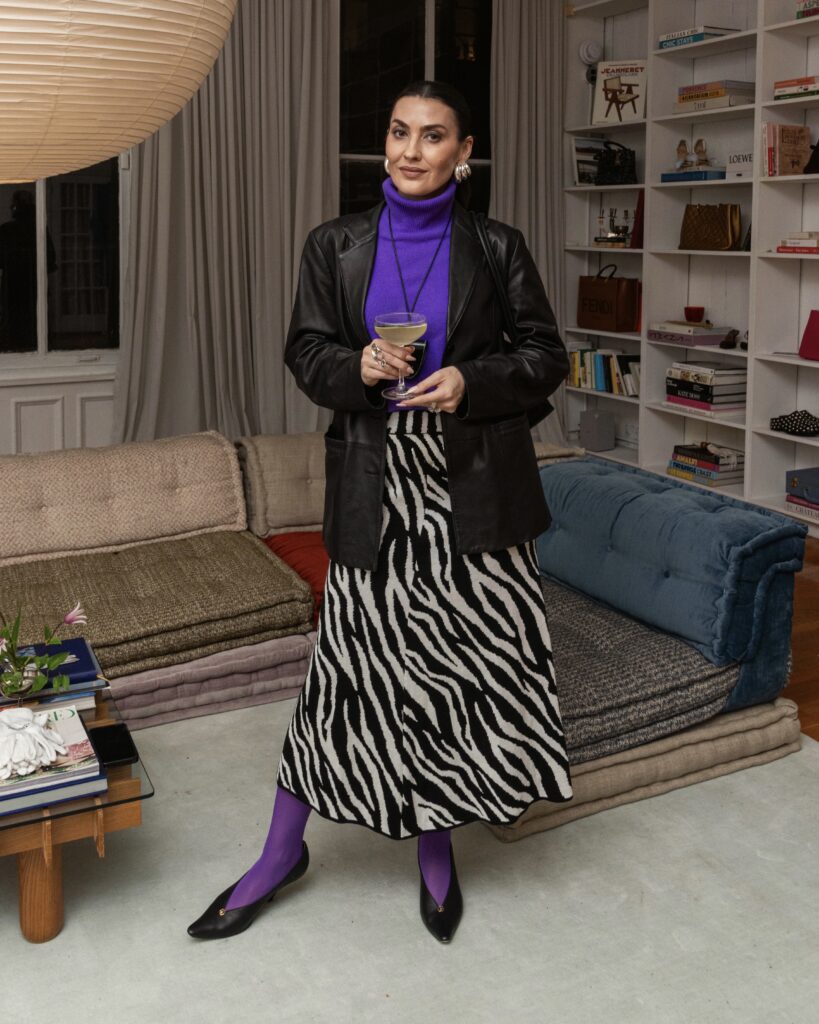
There’s actually a psychological explanation for why this happens. The mere-exposure effect describes our tendency to develop a preference for things simply because we’ve encountered them repeatedly.
Fashion provides a particularly interesting example of this phenomenon. We see a color on the runway, then in advertising campaigns, on celebrities, in store windows, and eventually in our own wardrobes.
Of course, repeated exposure doesn’t mean everyone will suddenly love purple. But it can change our perception of a color we previously dismissed.
My favorite part of this trend is experimenting with color combinations. Purple with chocolate brown feels rich and sophisticated. With olive green, it becomes more unexpected. With red, it makes a completely different statement.
One of my favorite ways to introduce purple into a winter wardrobe is through colored tights. We tend to automatically reach for black tights as soon as the temperature drops, but why not treat them as a styling accessory rather than simply a practical necessity? Purple tights can transform a classic black dress, complement a chocolate-brown skirt, or add an unexpected pop of color to an otherwise neutral outfit.
And perhaps the best way to discover whether you actually like purple is to stop looking at it in isolation and start experimenting with the colors you already love.
4. Brocade Deserves a Life Outside the Holiday Season
Certain fabrics immediately bring specific occasions to mind. Brocade is one of them.
Perhaps its historical association with ceremonial clothing and elaborate interiors explains why we tend to reserve it for special occasions.
But why should such an interesting fabric spend most of the year sitting in our closets?
The decorative textiles in the Fall/Winter 2026 Dries Van Noten collection remind us how much character a fabric can bring to a garment.
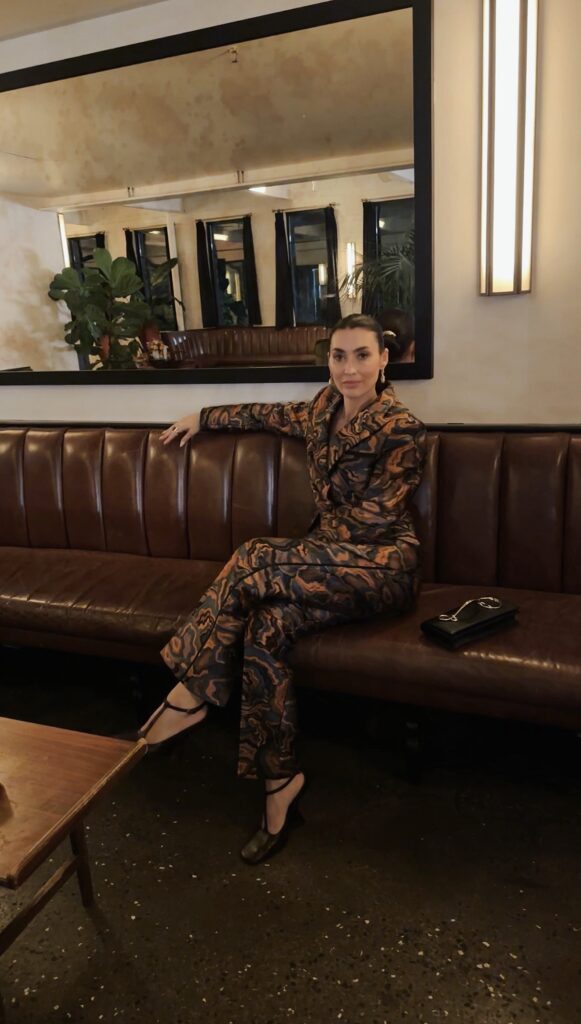
Unlike a conventional printed pattern, brocade’s decorative motifs are created through weaving, giving the material its distinctive surface and richness.
I recently wore a brocade suit by New York designer Janet Howard to a screening of “Sense and Sensibility” – a fitting choice, given the fabric’s historical associations. What I love about brocade, however, is how contemporary it can look when combined with clean, modern silhouettes.
From a styling perspective, I find brocade most interesting when it’s taken out of its expected environment. A structured brocade jacket with faded straight-leg jeans, for example, immediately becomes less formal. A decorative skirt paired with a simple knit and flat boots can work perfectly well during the day.
The beauty of brocade is that the fabric itself does much of the work. There is no need for excessive accessories or complicated styling.
Personally, I’d also look for this trend in vintage stores. It’s exactly the kind of piece that can feel more special when it comes with a little history.
5. Rethinking the Pencil Skirt
For years, the pencil skirt suffered from an unfortunate association with corporate dress codes.
But when you separate it from the fitted blazer, white blouse, and traditional pumps, you realize how much styling potential this silhouette actually has.
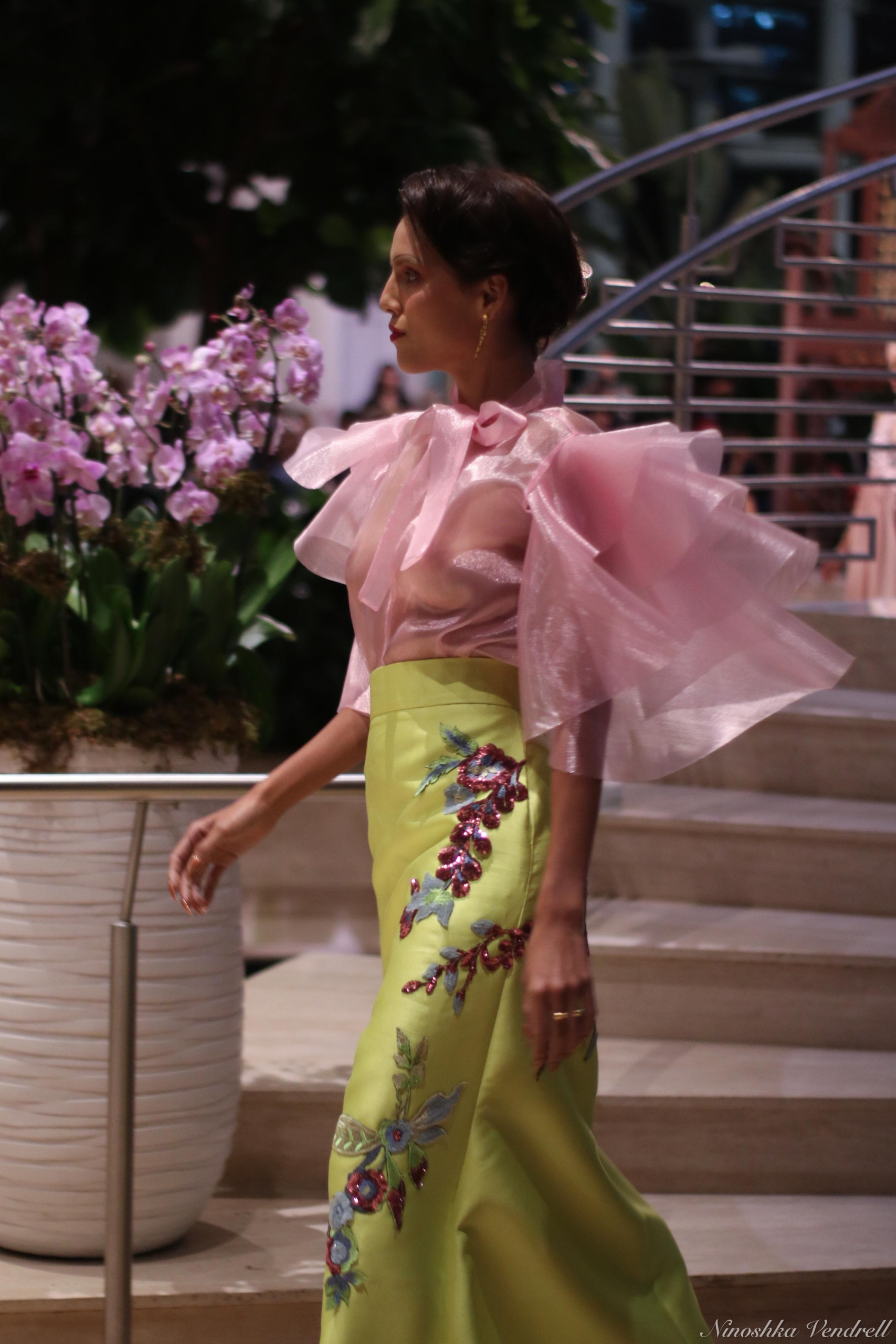
The narrow skirts in the Fall/Winter 2026 collections, including Tom Ford, demonstrate that defined silhouettes are once again becoming an important part of the fashion conversation.
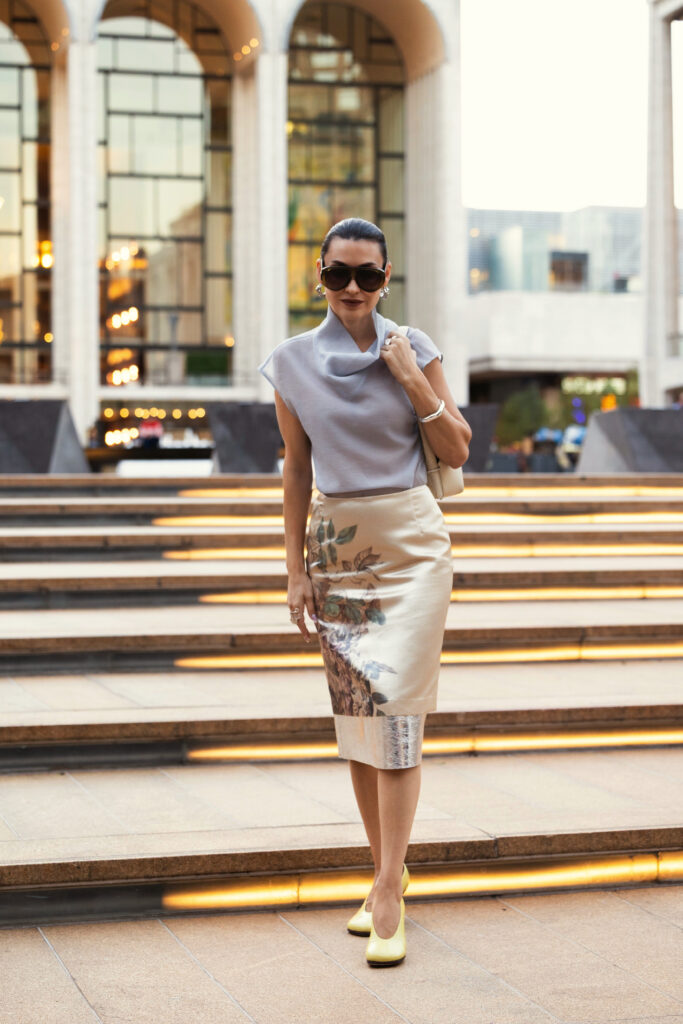
The pencil skirt is particularly interesting because it lets us experiment with an outfit’s visual balance.
Instead of automatically reaching for a fitted top, try something with more volume. A substantial knit, a boxy leather jacket, or a generous coat can change the entire silhouette.
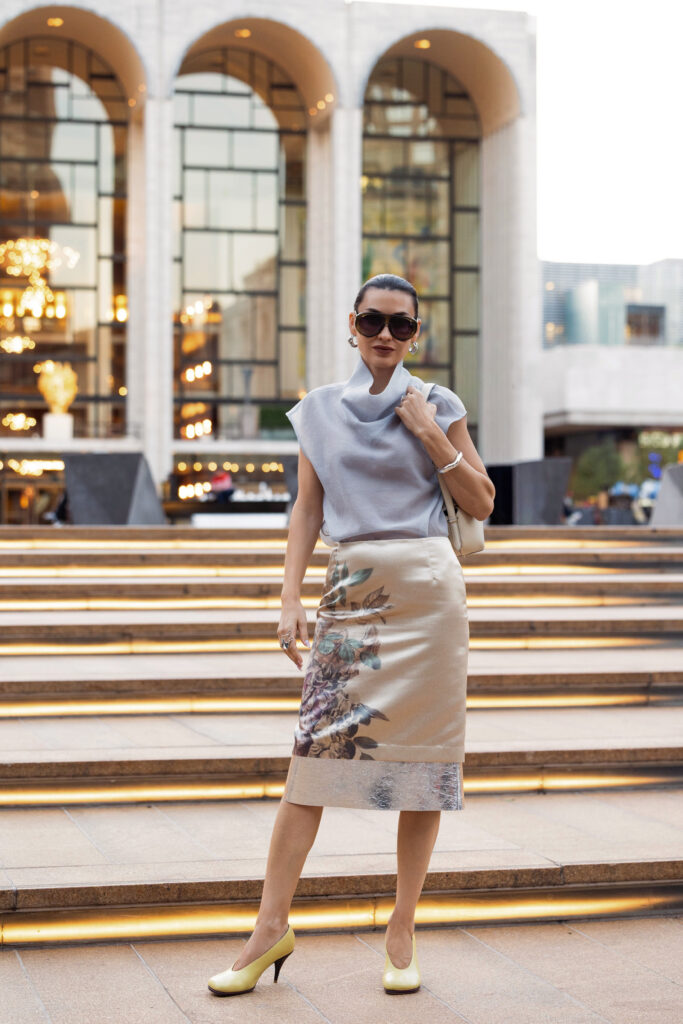
I would also pay attention to where the skirt ends and where the boots begin. The relationship between hemlines, footwear, and exposed skin can make a significant difference to the overall proportions.
These small styling decisions can make a piece you’ve owned for ten years suddenly feel relevant again.
And that’s what makes the return of the pencil skirt so appealing to me. It’s not necessarily an invitation to buy a new one. It’s an invitation to reconsider the one you already own.
Every season brings another list of things we’re supposedly going to need. But before treating these five trends as another shopping list, I would suggest looking at your wardrobe with a little more curiosity.
You might discover that what you consider outdated isn’t outdated at all. Perhaps you’ve simply been styling it the same way for too long.
And sometimes, the most valuable addition to your wardrobe isn’t another piece of clothing. It’s a different perspective.